
Made in England: the films of Powell and Pressburger
I did a Masters in Film. It was 2000. I had a trackball laptop and floppy discs. It was English and European film theory. But we never touched the Archers; we never did the production houses. This film was like a scott walker album. I could never name the man, but then I went through the track listings and heard every track once or twice in the past. But rather then a simple compilation, I have my cinematic cool older brother Marty to show me the ropes and explain why they are essential and, in turn, show why art criticism is an art in and of itself
It’s a linear narrative showing the context of how films came into his sphere; it’s a linear story that does nothing on their personal lives and focuses really on the call and response of box office and studio mechaniations. But as such, it’s an excellent context for the industry and critics. From their work, the war went on as soon as they were not a uterus, as much as artists. From their somewhat fantastical approaches and keenness in the war years to help humanise and contextualist the situation from more than the simple, they aren’t half nazis mum. To the stairway to heaven as an anglo american relationship piece. We are almost bombasted with the rock colours and opera that only this era of film making could make.
It’s a heartfelt story of two men who are sympathetic in their work. As writers and directors, they work against wand within the system while being quite benign in their talk. There’s no temperament or clinicality. They are warm-effusive, and it shows in every frame.
Even simple films where they could make a more significant statement are kept within the framework. I know where I’m going, which is a strong female lead of a film that could warrant a whole piece on women in cinema post-war and society, but no, ten minutes and we are done. This is continual throughout the process, and sitting through it can be overwhelming. As someone with little knowledge of the films aside from what I’ve half watched with a bottle of Lucozade on a Monday matinee on BBC, it’s a lot to take in; arguably, it would be better served in two parts as a netflix show.
But the theme of cinema is art and passion, even with a certain indulgence of Scorsese bringing his own films and the colour red. But who also wants to avoid Martin talking about his movies?
Yes, I said, Martin. I shouldn’t, but that’s how comfortable this film makes you in his company,
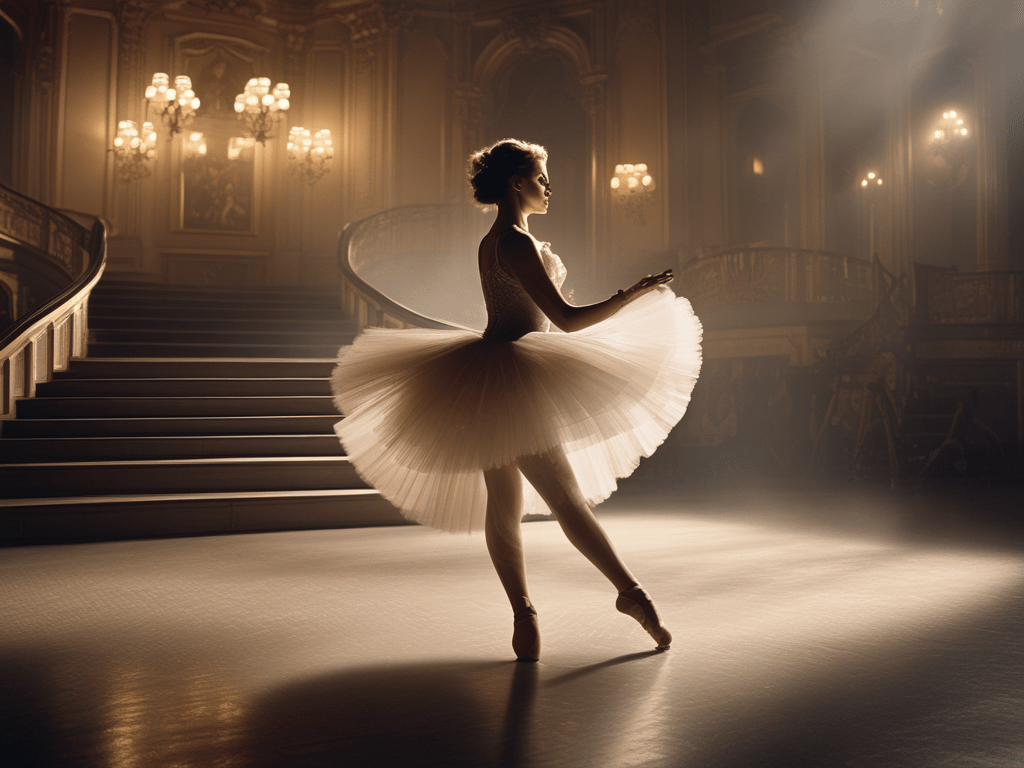
I think its most impactful image is using cinema to put on ballet and opera. We see it as a new thing, but then they did not see these mediums as distinct. Powell and Pressburger had nothing to do with the anti-intellectual moment or even neo-realism. Falling in and out of public flavour aside, the role of gifted amateurs—how what they do is passion.
Well, I had a specific education, but I know far less than I know more. And I take it all, including this website, as a compliment to that. The drive and desire to create come all the way through. And it’s a worthwhile way to spend an afternoon chatting about the silver screen in society pre- and post-war. It gains more than loses by having anglophiles’ perspective keeping to the film rather than the country. As such, it’s worth a lesson.
 The Irish Indian Times.
Leave a comment