
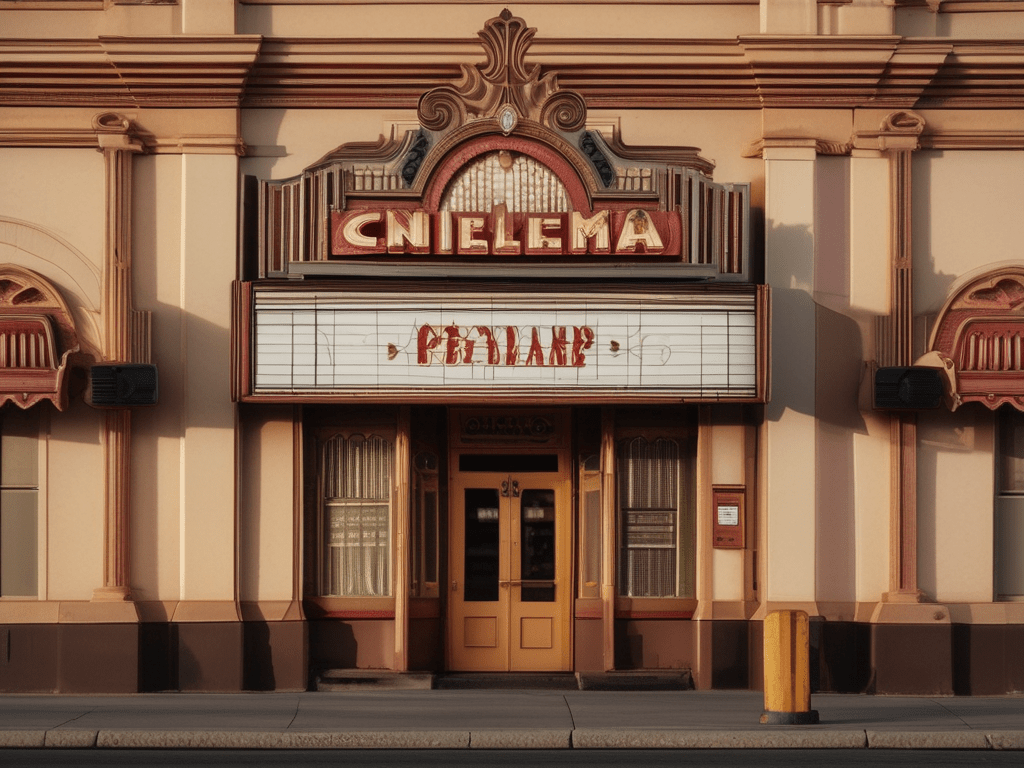
Scala documentary directors Dir Jane Giles, Ali Catterall
It’s not unusual for someone to be jealous of an older brother. What’s remarkable is what I’m envious of. His age. Even now. Not his blue, yes, or his Ph.D., success, family, house, or anything. just simply his age. It comes down to the fact that it has nothing to do with his accomplishments. It is all what he did with what we were given. It’s more that simply by being 7 years older, I would have been at the scala. There is a weird netherworld in my brain where I would have popped into Dark They Were, and Goldern eyed before getting a few beers in Cafe Munchen or the Intrepid Fox. Then, I popped to the scala for an all-nighter. Or Prince Charles sings a long rocky horror for another one of its midnights. This film does not shed light on that world but instead embraces the shady world of fringe cinema and art house and how the cinema was a hub for all fingers and was as bizarre as cinema.
Loved and lost too many people, this documentary is mostly talking heads. But they were great raconteurs from the time. While we have a Caesar Distafff romance of the more celebrity elements, if a celebrity can be used, it would be Stuart Lee, Adam Buxtonxton, and Paul Putnam,nam. the ties that bind it through all the counters and concerns are shown throughout.
what cinema has a cat! two cats. honestly.
The films are not the story’s heart, as much as the logistical nightmare and how this was sustainable for so long on earth. It’s compounded by its honesty and being so compelling. There is no ironic nostalgia fest; this is the first-hand accounts and unapologetic. Some of it is horrific, and some will shock more than the scenes of thundercracks we see. I was privileged to be at the Q and A, and Jane Giles made a point of having that in the film to make it an 18. There is no way you could reflect this reality with a homily spewing 12 certificates, and if you are shocked or dislike any of the comments of a blacked-out toilet being a sexual potluck. Well sucks to be you.
I was 17 when it closed. It lingered in the anecdotes I’ve heard from those who came before me in the fringes of the comic showcase, Orcs Nest, and, of course, the much-loved cinema store. I find the film fascinating, but I have to admit I have an utter bias. this is really about the cinema and society at the time. It’s an excellent accompaniment to the fevered and febrile culture I only brushed against in the 90s. The role of its place in LGBT politics, a cinema of aggravation and agitation. The blue plaque for Lee Reed and Iggy Pop. I’ve rented it already. It plays behind me as Buxton tells a ‘Captain Walker misses Walker’ notion of how cinema was embraced.
I saw this in a cinema. in my usual seat. Q22. pricn charles. I’m a lifelong member. I laugh loud, so I sit at the back. But I don’t threaten to tell people the end of the thing. As a document of society and culture, it is crucial to view it as cinema evolves and changes each time. Reinventing its relevance in the media landscape through several avenues and revenues. It’s a point in time that is never documented, nor will it be in a film like this.
So treasure it and see it for all its guts and gory glamour.
As we look at continual metroplexes that will become more beige and ultimately, without the horrendous, challenging, and transgressive, will genuinely be the screens that numb your soul apart.
 The Irish Indian Times.
Leave a comment